Russian Primary Chronicle Words Cannot Describe
Therefore the event commonly dubbed The Invitation of the Rus may not have ever actually happened. The Christianisation of Russia 988 987 6495.
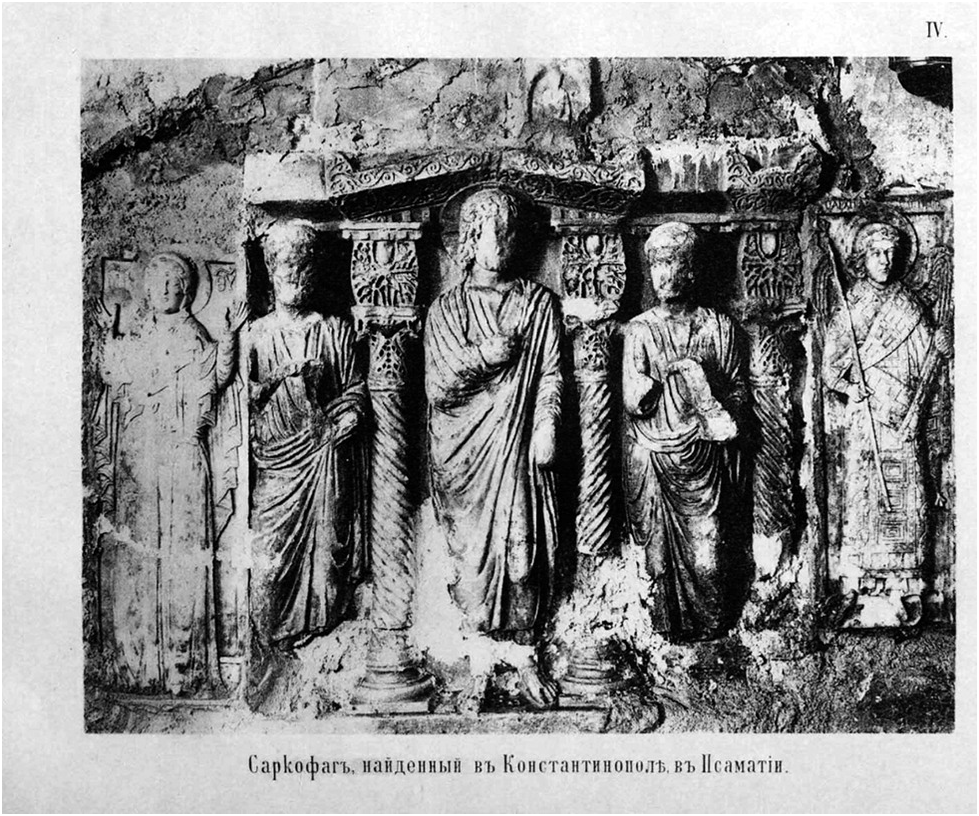
The Rise Of Byzantine Art And Archaeology In Late Imperial Russia Chapter 6 Empires Of Faith In Late Antiquity
The Russian Primary Chronicle.
. Does not always refer to the Scandinavians as he states is. Several versions of the Chronicle exist. They were usually written by highly educated monks.
It was compiled in the Kiev Monastery of the Caves in 1111-1113 CE. That account is given in The Primary Chronicle a history of Russia written by monks in. Letopises were the life chronicles of the Ancient Rus and other Slavic states that existed up until the 17th century.
The first line of many ancient Russian. PRIMARY SOURCE from Primary Chronicle The Primary Chroniclea history of Russia from the 10th to the 12th centuries was written by monks in about 1110. 860-862 6368-6370 The four tribes who had been forced to pay tribute to the Varangians--Chuds Slavs Merians and Krivichians drove the Varangians back beyond the sea refused to pay them further tribute and set out to.
Only this we know. The Primary Chronicleis the earliest written record from the region now known as Ukraine. Viking attacks on Slavic tribes were not uncommon but there are much more examples of cooperation and interaction between Slavs and Vikings.
Similar to Snorris account the Russian Primary Chronicle is considered semi-legendary. It is a compilation of ancient literary material early laws and legends which had been passed on orally. Russian Primary Chronicle Most of the campaigns of the originally Swedish rulers of Russia the Rus are recorded in the Russian Primary Chronicle and in the works of Greek and Arabic chroniclers.
We cannot describe it to you. 860-862 6368-6370 The four tribes who had been forced to pay tribute to the Varangians--Chuds Slavs Merians and Krivichians drove the Varangians back beyond the sea refused to pay them further tribute and set out to govern themselves. Addeddate 2020-11-12 221531 Identifier the-russian-primary-chronicle Identifier-ark.
The Russian Primary Chronicle The Russian Primary Chronicle the Conversion of Vladimir to Orthodox Christianity During the eleventh and early twelfth centuries Russian monks living in the Monastery of the Cave wrote and compiled a work known as the Primary Chronicle. And Orthodox Christianity is their historical religion since the 11th century. The Russian Primary chronicle Laurentian text 1953.
Vladimir summoned together his vassals and the city elders and said to them. In AD 859 the Varangians from beyond the sea imposed tribute upon the Chuds the Slavs the Merians the Ves and the Krivichians The following year the tributaries of the Varangians drove them back beyond the sea and refusing them further tribute set out to govern themselves. Russian the most spoken Slavic language is the shared mother tongue of the Russians.
The Chronicle is an early original Russian work and a valuable historical source on the state of Kiev. Elizabethgrad vs Elizavetgrad would seem to be a Russian vs an English spelling. Laurenitian text inproceedingsCross1953TheRP titleThe Russian primary chronicle.
Then came the Germans and praised their own faith. God dwells there among men and their service surpasses the worship. In this article I would like to describe the role of fire in the customs of All Souls Day in the Easter period called.
Introduction to The Primary Chronicle. And after them came the Jews. Some of the text was not legible.
The Russian Primary Chronicle on how Russia was Christianized. Aleksandr Koptev remarked that despite its categorization as the Old East Slavonic literature the Chronicle also belongs to the genre of Christian literature. The word is a blend of two Slavic words the noun leto it used to mean year the modern meaning of the word is summer and the verb pisat which means to write.
Russian Primary Chronicle compiled around the year 1113 in Kiev 24. There is no evidence of Viking influence on Russian law language literature or religion. The Rus Primary Chronicle is vibrant with Christian themes and biblical allusions which is often argued to be reflective of the texts monastic authorship.
This text is part of the Internet Modern History Sourcebook. In the introduction the chronicler was dedicated to exploring the biblical. So in 862 he founded Novgorod NAHVguhrahd Russias first important city.
Russkiye are an East Slavic ethnic group native to Eastern Europe who share a common Russian ancestry culture and history. Invitation to the Rus. Sherbowitz-Wetzor year1953.
Rossiya pronounced rɐˈsʲijə or the Russian Federation is a transcontinental country spanning Eastern Europe and Northern AsiaIt is the largest country in the world by area covering over 17125191 square kilometres 6612073 sq mi and encompassing one-eighth of Earths inhabitable landmass. The Russian Primary Chronicle. A great deal of information of the later history from 800 CE with the rise of the Russian State to the late 1100s has come from the Russian Primary Chronicle.
A historical section known as The Tale of By-gone Years or The. The Christianisation of Russia. The Russian primary chronicle.
Laurenitian text authorSamuel Hazzard Cross and Olgerd P. They reported back to Vladimir that during the celebration of the Liturgy we knew not whether we were in heaven or on earth. Answer 1 of 38.
Behold the Bulgars came before me urging me to accept their religion. Russia extends across eleven time. Scandinavian merchants were commonplace in many trading settlements standing along the famous road from the Varangians to the Greeks.
Russian historical references such as the Primary Chronicle provide much of the information of the Slavs. Due to a planned power outage on Friday 114 between 8am-1pm PST some services may be impacted. The Rus were in contact with Byzantium as early as 838 but did not have the resources to raid the capital at Constantinople prior to that date.
He argues that the use of the word Rus in the. Invitation to the Rus. Instead it may be an allegorical account to describe a.
The Russian Primary Chronicle tells it this way. Excerpts from Tales of Times Gone By Povest vremennykh letThe Russian Primary Chronicles. This excerpt describes the conversion of Vladimir the ruler of the Russian principality of Kiev to Byzantine Christianity and his baptism after conquering Kherson a Greek city by the Black Sea.
The Russian Primary Chronicle also called Chronicle of Nestor or Kiev Chronicle Russian Povest vremennykh let Tale of Bygone Years medieval Kievan Rus historical work that gives a detailed account of the early history of the eastern Slavs to the second decade of the 12th century. The Sourcebook is a collection of public domain and copy-permitted texts for introductory level classes in modern European and World history. Slavs and Vikings Russian legends say the Slavs invited the Viking chief Rurik to be their king.
They are the largest Slavic nation as well as the.
Easteur
The Rise Of Byzantine Art And Archaeology In Late Imperial Russia Chapter 6 Empires Of Faith In Late Antiquity
2

Eurasian Steppe The Archaeologist Official Page
Russia S Regime On The Move In Russian Politics Volume 4 Issue 2 2019
Easteur
2
2
2

Chapter 4 Fruits Of Their Labour 1948 55 In White Mineworkers On Zambia S Copperbelt 1926 1974
2

Chapter 7 Die Friedens Warte In Alfred Hermann Fried
2
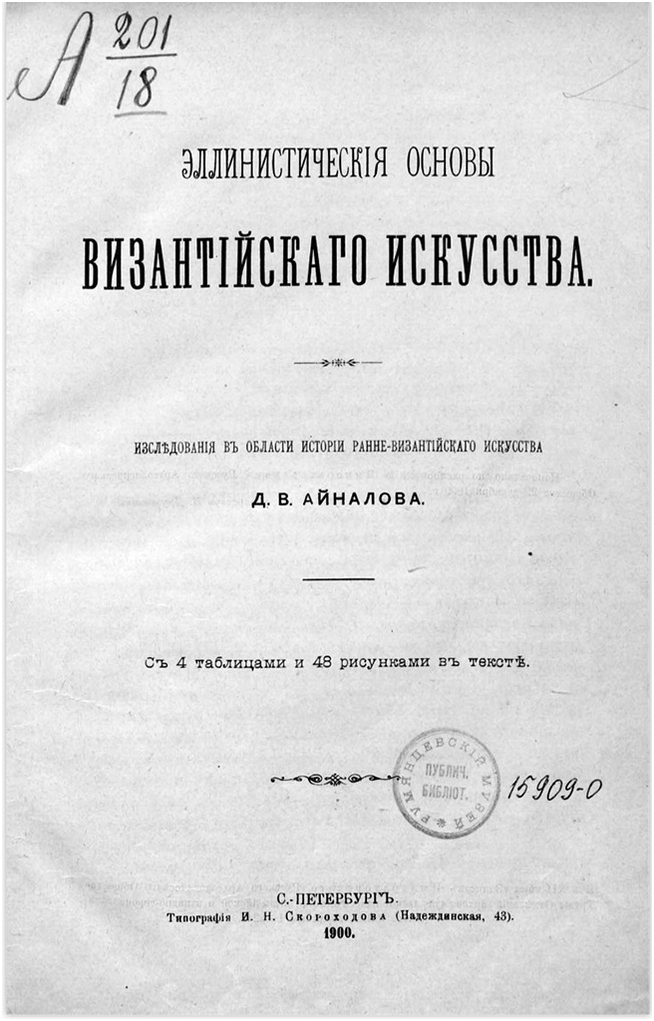
The Rise Of Byzantine Art And Archaeology In Late Imperial Russia Chapter 6 Empires Of Faith In Late Antiquity

Select Primary Sources A Companion To World War I Wiley Online Library
Full Article Virtual Intimacies The Networks Of Mary Penry
2
The Zuqnin Chronicle As Evidence Of Vernacular Aramaic In Eighth Century Northern Mesopotamia In Aramaic Studies Volume 18 Issue 2 2020

Chapter 2 Years Of Ambition 1875 1884 In European Small States And The Role Of Consuls In The Age Of Empire


Comments
Post a Comment